
A household guide to caching
Found under
the cushion.Now what?
Why dogs hide things, why hiding is not the same as guarding, and how to make a household handoff without inventing a safety verdict.
Explore the PawLine app ↗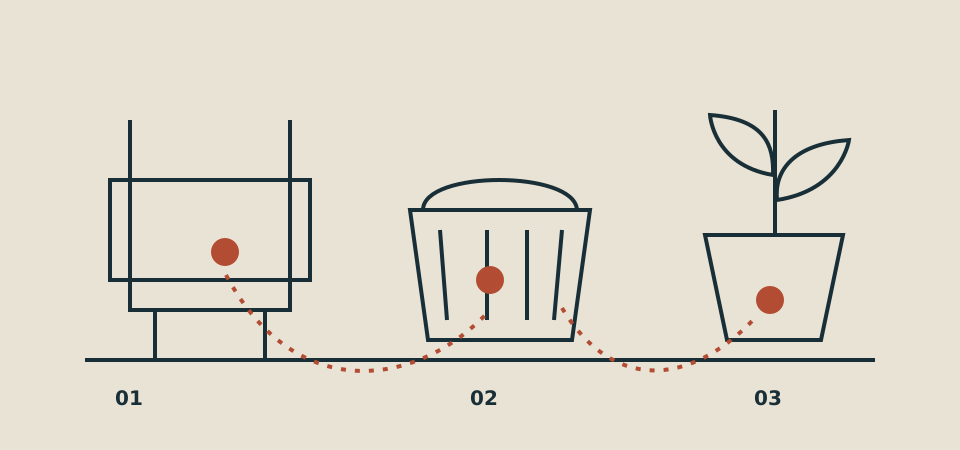
An original illustration, not a map of a real home. Numbered places are not risk levels.
01 / Understand
One hidden thing.
Several questions.
A motive, an item and a shared place are different subjects. Give each its own page.
Why dogs bury bones and hide other things
Understand caching without assuming your dog needs bones or is short of food.
02Under the cushion: caching without a garden
A room-by-room view of hidden items, without encouraging a search near a guarding dog.
03Food for later: what a hidden snack cannot tell you
Separate a stored item from assumptions about appetite, food safety or diet.
04Toys, socks and other valuables
An object can matter to a dog without being suitable to chew or swallow.
05Caching and guarding are different questions
Hiding an object is an action. A response to someone approaching needs its own attention.
06Children, visitors and shared spaces
Make access visible without treating a barrier checkbox as a guarantee.
07Why bones are not the enrichment plan
The behavior's familiar name does not make bones a safe reward recommendation.
08When the hiding habit needs help
Keep injury, ingestion concerns and guarding outside any household checklist result.
02 / Use the record
A handoff another adult can read.
Room and item. What is known about access. What remains unknown. A saved date that does not pretend to be the event time. The original access map stays in your browser until you choose to download a copy.
Build a local access map ↗Latest field note
The chair nobody mentioned
A fictional household example about an old saved map and a changed room.
Read the field note ↗